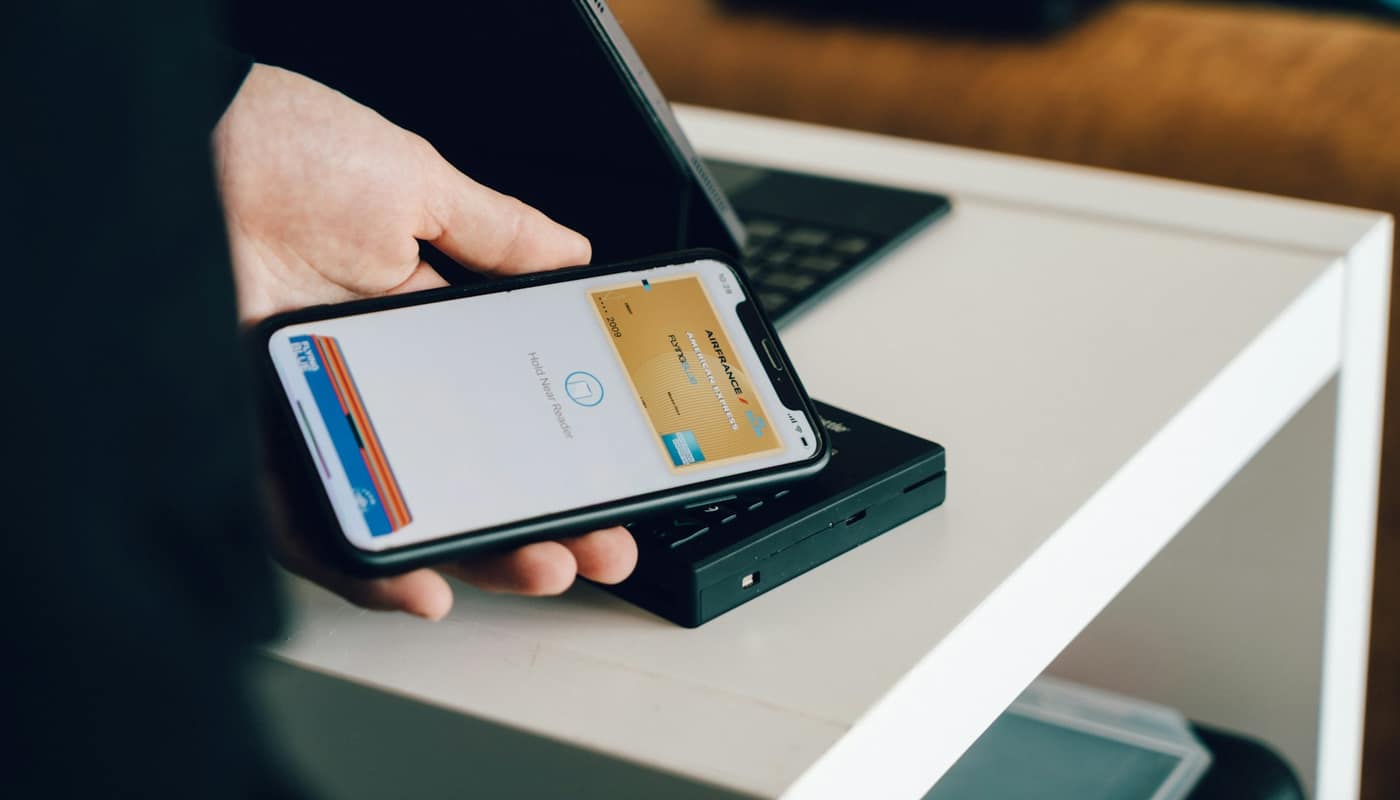
A card payment feels instant, but the money behind it moves later. A conventional bank transfer can take hours or days because payments are collected and processed in batches. Instant payment systems drop the batches: each transfer is processed individually, around the clock, and the money lands in the recipient’s account within seconds.
What changed in the last few years
Several major economies now run, or require, such systems. In the United States, the Federal Reserve launched the FedNow Service on 20 July 2023. The Fed describes it as interbank clearing and settlement that lets funds move from a sender’s account to a receiver’s in near real time, at any time, on any day of the year. It is infrastructure rather than an app: the Fed does not offer payment services to consumers directly, and banks and credit unions provide access through their own apps and websites. Funds settle between institutions instantly, so no credit exposure builds up between banks, and the service uses the ISO 20022 messaging standard.
In the euro area, regulation is doing the pushing. Under the EU’s Instant Payments Regulation, payment providers had to be able to receive euro instant payments from 9 January 2025 and to send them from 9 October 2025, with non-euro countries following later, in 2027. The United Kingdom has run its Faster Payments scheme for years, and its regulators have recently tightened the rules around it.
Anatomy of a transfer
The details vary by network, but a typical payment follows this path. The payer enters a recipient and approves the payment in a banking app. The bank checks that funds are available and screens the payment for fraud and sanctions risks. It sends a secure message through the network to the recipient’s bank, which confirms that the account exists and can receive money. The banks settle with each other, and the recipient’s bank credits the account and confirms to both sides.
The speed requirement shapes the whole system: processing has to be fast and available at all hours, and each step has to be reliable, because there is no overnight batch in which to fix mistakes.
The cost of finality
Speed has a downside. Once an instant payment is sent, it is difficult to retrieve, and criminals exploit that. A common pattern is authorized push payment fraud, in which a victim is deceived into sending a payment themselves, whether to a fake supplier, an impersonated bank or an investment scam. The messages that start such scams are increasingly polished, as our article on AI-assisted phishing explains.
Authorities have responded in two main ways.
Checking who is being paid. In the euro area, payment providers had to offer verification of payee from 9 October 2025. The European Central Bank describes it as telling the payer, before a payment is made, whether the name entered matches the account holder, with results such as match, close match or no match. The European Commission says the service must be free to the payer.
Sharing the loss. In the United Kingdom, the Payment Systems Regulator introduced mandatory reimbursement for authorized push payment scams on Faster Payments from 7 October 2024, with a maximum of 85,000 pounds per claim. The regulator estimated that the cap would mean 99.8 percent of cases by volume, and 90 percent by value, would be reimbursed in full. Firms may choose to pay more, and an optional excess of up to 100 pounds can apply, though not to vulnerable customers.
Banks also use transaction monitoring, warnings on unusual payments and limits on size, and they share fraud intelligence.
How it compares with other ways to pay
| Method | Speed | Hours | Reversal |
|---|---|---|---|
| Instant bank transfer | Seconds | Every day | Generally not once sent |
| Card payment | Authorized in seconds, settled later | Every day | Often possible through chargebacks |
| Standard bank transfer | Hours to days | Business hours or batches | Sometimes, if caught early |
Digital tokens sit alongside these, and the differences are laid out in our explainer on stablecoins.
What to do as a user
Treat any unexpected payment request as suspect, whoever it claims to come from. Check the payee’s details through a channel you already trust before sending money, use the name-matching prompt where your bank shows one, and think carefully about any request that adds urgency or secrecy. For businesses, a second approver for changes to bank details stops many frauds.
This is general information, not financial, investment, tax or legal advice.